Ingredients
Apex Boost tongkat ali: is the longjack on the label the same herb?
Quick answer: Apex Boost tongkat ali appears on the label as Longjack Extract (Eurycoma longifolia), third of six herbs. Longjack is the name used here, and tongkat ali is the common trade name for the same root. The amount is not published, and it has the thinnest reference base in the blend.
Is Apex Boost tongkat ali the same as longjack?
Search for apex boost tongkat ali and you will land on the same herb the label calls longjack. The Supplement Facts panel prints Longjack Extract (Eurycoma Longifolia). Eurycoma longifolia is a root from Southeast Asia, and it is often sold as tongkat ali. Three names, one plant, and that is the source of most of the confusion.
The botanical name is the one to trust, because common names drift between sellers. The label gives it, so you can check that the herb in your bottle is the herb you read about. It sits third in the list of six, which under FDA labelling rules means third heaviest by weight. That puts it in the middle of the pack, and tells you nothing more.
Key facts
- The label prints Longjack Extract (Eurycoma Longifolia), third of six herbs in the 838 mg blend.
- Longjack is often sold as tongkat ali. Same root, different trade name.
- Amount, extract ratio and standardisation: not published.
- Commonly studied: 200-400 mg a day of a water-based root extract. No comparison with Apex Boost is possible.
- No NIH, NCCIH or Memorial Sloan Kettering page was found for longjack, so there is no citation under it.
- Longjack has the thinnest reference base of the six herbs.
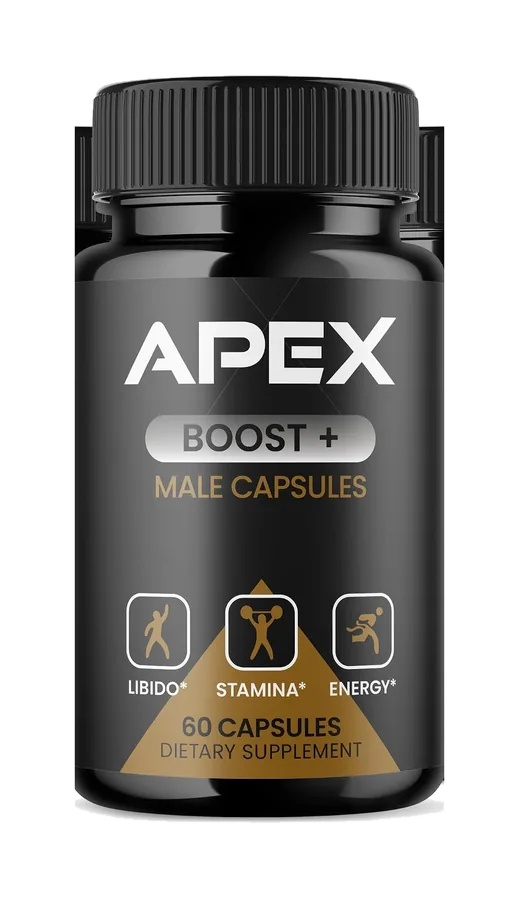
Curious about all six herbs? The label is published, and the checkout shows the price and the 60-day terms.
Disclosure: Apexboost earns a commission on orders placed through this checkout link. It does not change the price you pay.
What does Apex Boost tongkat ali look like on the label?
Very little, which is the point. The label prints the herb name, its botanical name and the word Extract. It does not print how many milligrams, which part of the root, the extract ratio or any standardisation. So the label supports one statement: the herb is in the blend. It cannot support a statement about dose.
| Question | Answer |
|---|---|
| Label name | Longjack Extract (Eurycoma Longifolia) |
| Position in the blend | Third of six |
| Amount in Apex Boost | Not published |
| Commonly studied amount | 200-400 mg a day of a water-based root extract |
| Extract ratio and standardisation | Not published |
Shared evenly, the six herbs would each average about 140 mg of the 838 mg, but the split is almost certainly uneven. A trial amount of 200 to 400 mg a day cannot be matched to a single herb whose share is hidden.
What is known about longjack, honestly?
Less than for any other herb in the blend, and we say so. We looked for a plain-language reference page on Eurycoma longifolia from NIH, NCCIH or Memorial Sloan Kettering, the three sources we cite elsewhere on this site, and did not find one we could link. So there is no citation under this ingredient. That is a gap in our sourcing, not a hidden finding.
The published human work that does exist is small and mostly funded by extract makers. That does not make it wrong. It means a careful reader should treat the claims with more distance than for ginseng or ashwagandha, which each have a government evidence page. Nothing we hold lets us say what longjack does at the amount in this capsule, because the amount is not published.
What cautions come with Apex Boost tongkat ali?
Because the reference base is thin, longjack is the ingredient with the least safety data in this bottle, not the most exciting one. We found no safety page to quote, so we do not quote one. What we can say is what the label says: do not exceed the recommended dose, and pregnant or nursing mothers, anyone under 18 and anyone with a known medical condition should consult a physician first.
The stronger cautions in this capsule come from yohimbe, the last herb on the label. Do not combine the product with an MAO inhibitor or a tricyclic antidepressant, and ask a clinician first if you take any prescription. The safety post and the safety page give the full list.
How should you judge a tongkat ali label?
Use the same four questions on any bottle that says tongkat ali, this one included.
- Is the botanical name printed? Eurycoma longifolia should appear. If it does not, you cannot check the plant.
- Is an amount printed? A milligram figure for the herb itself, not for a blend.
- Is the extract described? A ratio or a standardisation tells you the strength. Apex Boost prints neither.
- Does the seller admit the gaps? A page that says not published is easier to trust than one that says clinically proven.
Apex Boost passes the first check and fails the second and third. On the fourth, the label cannot speak for itself, which is why this site lists its gaps for you. The post on what a proprietary blend hides explains why a blend works this way.
Should longjack change your decision?
It should change how much weight you give the product's claims, not whether the product is safe. If longjack is the reason you are here, the label cannot confirm it is present at a meaningful amount. If it is one of six herbs you are curious about, the 60-day guarantee on orders placed through this site gives you room to try the capsule as a whole.
Read the ingredients page for all six herbs, and decide whether the trade-off of a blend suits you.
What are the label, price and guarantee facts?
| Item | Fact |
|---|---|
| Label name | Longjack Extract (Eurycoma Longifolia) |
| Common trade name | Tongkat ali |
| Position in the blend | Third of six |
| Blend total per serving | 838 mg |
| Longjack amount | Not published |
| Commonly studied amount | 200-400 mg a day of a water-based root extract |
| Reference page from NIH, NCCIH or MSK | None found |
Where do these facts come from?
The label facts come from the Supplement Facts panel photographed on this site. We found no NIH, NCCIH or Memorial Sloan Kettering page on longjack, so none is linked. The sources below back the statements about yohimbe and about supplement approval.
Frequently asked questions
Does Apex Boost contain tongkat ali?
The label lists Longjack Extract (Eurycoma Longifolia), which is often sold as tongkat ali. The amount is not published.
Is longjack the same as tongkat ali?
Longjack is the name on the label and tongkat ali is the common trade name for the same root, Eurycoma longifolia.
How much longjack is in Apex Boost?
Not published. It is third of six herbs in an 838 mg blend, and the label prints no per-herb amount.
Is there research on longjack?
Published human work is small and mostly funded by extract makers. We found no NIH, NCCIH or Memorial Sloan Kettering page to cite.
Is longjack safe?
We found no safety page to quote, so we make no safety claim for it. Follow the label: do not exceed the dose, and ask a physician first if you have a medical condition.
Is Apex Boost tongkat ali a stand-alone product?
No. The capsule is a six-herb blend. Longjack is one of the six and is not sold on its own in this bottle.
Our view
Longjack is the quiet herb on this label. It has a famous trade name, a thin paper trail and no published amount, and the honest summary is that the label cannot tell you what it contributes. We would rather leave the space empty than fill it with a number.
If tongkat ali is the reason you are shopping, a product that prints the herb, the extract and the milligrams will serve you better. If you want the whole six-herb routine, start at the home page and compare the checkout terms with the label.
Read the full ingredient list first. If a blend suits you, the 60-day window gives you time to try it.
Disclosure: Apexboost earns a commission on orders placed through this checkout link. It does not change the price you pay.
Last updated . Medically reviewed by Dr. Jonathan Clavell, MD, Physician. This page is general information. It is not medical advice. Apex Boost is a dietary supplement. It is not FDA approved, and no supplement is.
Keep reading